
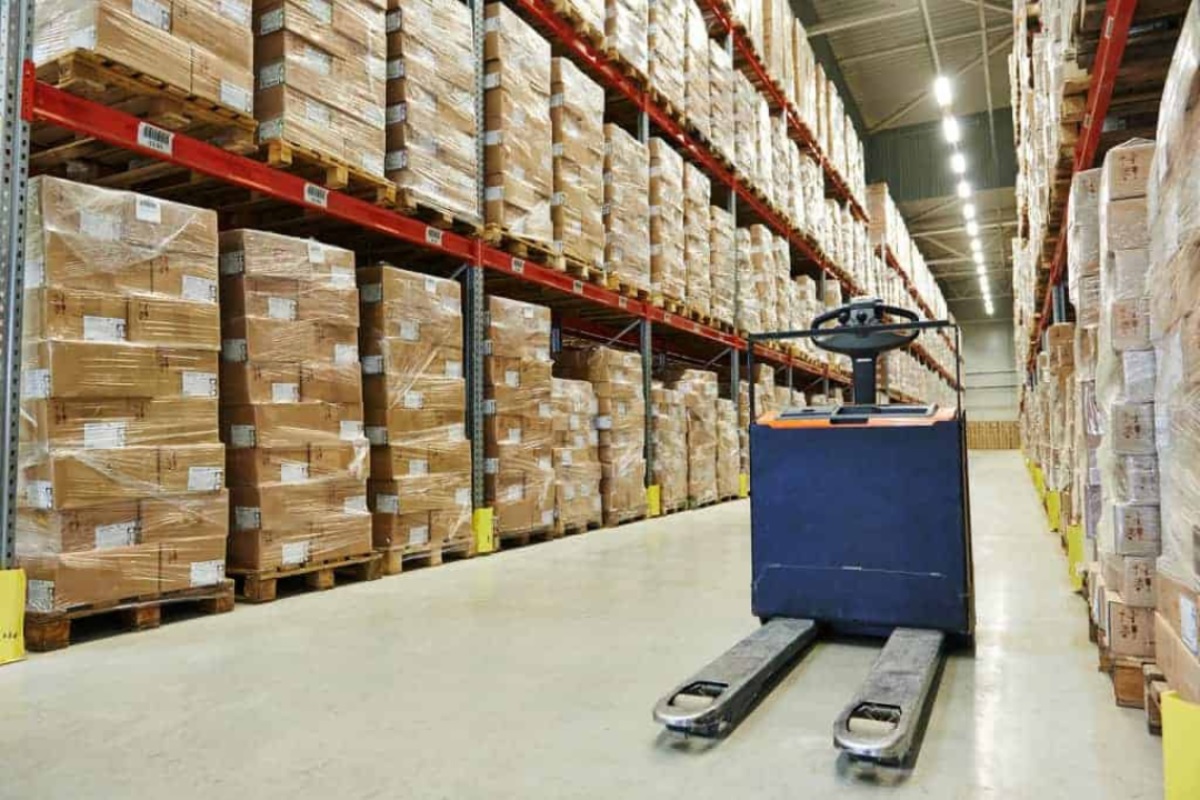

In today’s fast-moving business environment, efficiency is not a luxury—it is a necessity. For companies involved in trading, logistics, manufacturing, or e-commerce, the warehouse plays a much bigger role than just storage. The right warehouse location can directly influence delivery speed, operating costs, workforce management, and customer satisfaction. Choosing wisely can help businesses scale smoothly and stay competitive in the market.
For many growing companies, opting for a warehouse for rent is a practical and flexible solution. It allows businesses to access well-planned infrastructure without heavy upfront investment. When location is aligned with business needs, rented warehouse spaces can significantly improve daily operations and long-term efficiency.
Faster Movement of Goods and Better Connectivity
One of the biggest advantages of selecting the right warehouse location is improved movement of goods. A strategically located warehouse reduces transit time between suppliers, storage facilities, and customers. This means faster dispatch, fewer delays, and smoother supply chain operations.
When goods move efficiently, businesses can fulfill orders on time and maintain better inventory flow. For companies handling high volumes, even small reductions in travel time can lead to major savings over the year. A well-connected warehouse also supports last-mile delivery, which is critical for customer satisfaction in today’s instant-delivery expectations.
Lower Operating and Transportation Costs
Location has a direct impact on operating expenses. Warehouses situated in well-planned industrial zones often offer optimized layouts, easy access for heavy vehicles, and supportive logistics infrastructure. This helps reduce fuel costs, loading delays, and unnecessary handling.
Choosing a warehouse for rent in the right area also allows businesses to control overheads. Instead of investing in construction or land purchase, companies can allocate funds toward core operations such as marketing, technology, and workforce development. Over time, this balanced cost structure supports sustainable growth.
Improved Inventory Management
Efficient inventory management depends heavily on warehouse accessibility and layout. A warehouse located near key distribution points enables quicker stock replenishment and better demand forecasting. This reduces the risk of overstocking or stockouts.
With faster inward and outward movement, businesses gain better visibility over inventory levels. This leads to improved planning, reduced wastage, and smoother order fulfillment. For fast-growing brands, this level of control is essential to maintain service quality while scaling operations.
Better Workforce Availability and Productivity
Another important factor is access to a reliable workforce. Warehouses located in accessible areas make it easier to hire and retain skilled and semi-skilled workers. Reduced commute times often lead to higher productivity and lower staff turnover.
A well-located warehouse also supports safer operations, better working conditions, and organized workflows. When employees work in a structured and accessible environment, efficiency naturally improves across daily tasks such as picking, packing, and dispatch.
Scalability and Business Flexibility
Business needs change over time. Seasonal demand, expansion plans, or new product lines often require more storage space. Renting a warehouse in the right location offers flexibility to scale operations without disruption.
A warehouse for rent allows businesses to upgrade, downsize, or relocate based on operational needs. This adaptability is especially valuable for startups and mid-sized companies aiming for steady growth without long-term risk.
Enhanced Customer Satisfaction
At the end of the supply chain is the customer. Faster deliveries, accurate order fulfillment, and reliable service all depend on warehouse efficiency. A strategically located warehouse helps businesses meet customer expectations consistently.
When orders reach customers on time and in good condition, trust builds naturally. This leads to repeat business, positive reviews, and stronger brand reputation—key drivers of long-term success
Conclusion
Choosing the right warehouse location is a strategic decision that goes far beyond storage. It affects cost control, delivery speed, workforce efficiency, inventory management, and overall business performance. For companies looking to grow in a competitive market, selecting a well-positioned warehouse for rent can be a smart and future-ready move.
By aligning location with business goals, companies can improve efficiency, remain flexible, and create a strong foundation for sustainable growth. The right warehouse is not just a space it is a powerful asset that supports every stage of business operations.

Comments are closed.